
Search products
By name, colour, finish or material — “Bianco Carrara”, “travertine”, “honed”.
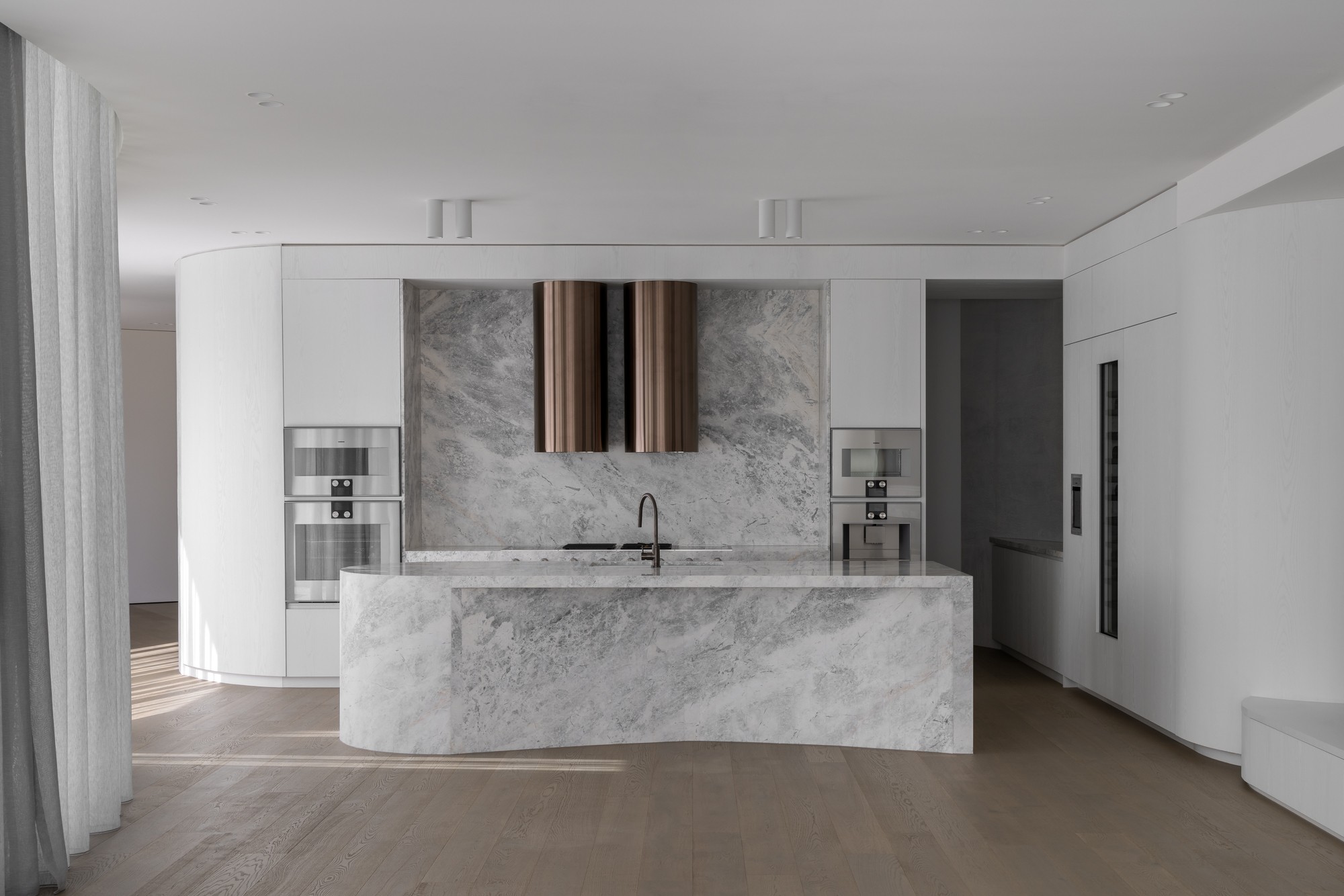
Marble has been used in homes and architecture for centuries, and it remains one of the most distinctive natural stones for kitchen benchtops. Its veining, colour variation and natural character can create a premium finish that engineered materials struggle to replicate.
But marble is not the right choice for every kitchen. It can stain, scratch and etch if it is not cared for correctly, and different marble varieties behave differently.
If you are considering marble for your kitchen, here are the main advantages and disadvantages to understand before choosing a slab.
Yes, marble can be an excellent kitchen benchtop material for homeowners who value natural beauty and are comfortable with some ongoing care.
Marble is durable enough for everyday kitchen use, but it is softer and more reactive than stones such as granite and many quartzites. Acidic liquids such as lemon juice, vinegar and wine can cause etching, while oils and strongly coloured liquids may stain the stone if spills are left untreated.
For homeowners who appreciate the natural ageing and patina of stone, marble can be an excellent choice.
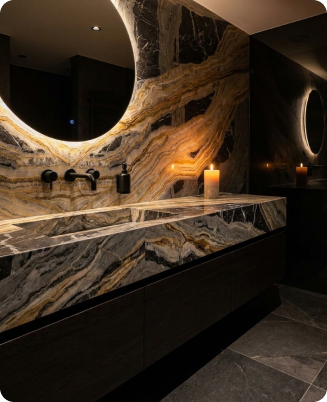
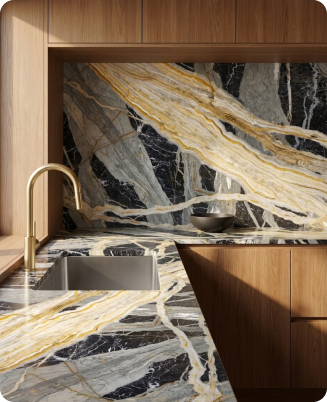
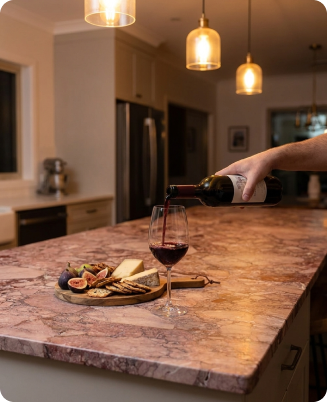
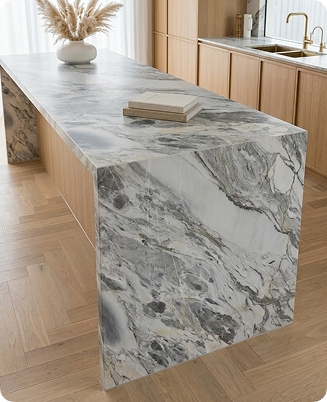
One of marble's biggest advantages is its appearance. Because marble is formed naturally, every slab has unique veining, movement and colour variation. No two marble benchtops will look exactly the same.
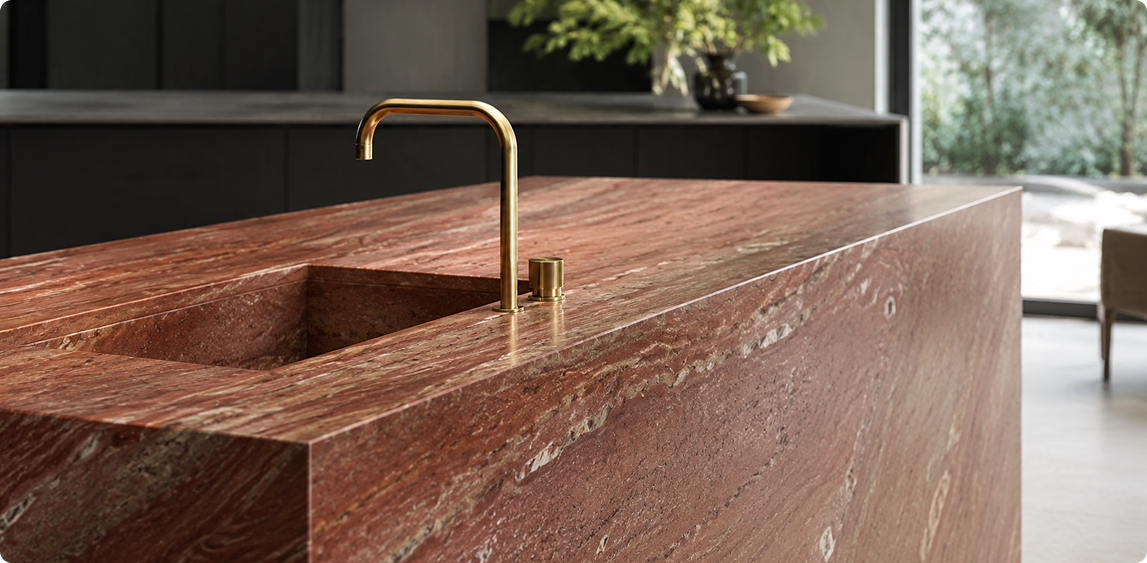
Popular marble colours range from classic whites and greys to dramatic greens, reds and darker tones.
Explore StoneMart's marble slabs in Melbourne to see the range of natural colours and veining available.
Unlike manufactured surfaces, marble is a genuine natural material. Variations in veining, fossils, shading and mineral patterns are part of the character of the stone rather than defects.
Marble is particularly popular for:
Marble handles normal kitchen heat well, but it is still best practice to use trivets or heat-resistant pads under very hot cookware.
This helps protect both the stone surface and any sealers or treatments that may have been applied.
Properly selected, fabricated and maintained marble can last for many years.
However, marble should not be treated as scratch-proof or damage-proof. Cutting directly on the surface and dragging heavy or sharp objects across it can leave marks.
Etching is one of the most important things to understand about marble. Marble contains calcium carbonate, which reacts with acids.
Common kitchen substances that may cause etching include:
Etching is different from staining. It is a chemical reaction that changes the surface finish of the marble and can leave a dull or lighter-looking mark.
Marble is porous to varying degrees and can absorb liquids if they remain on the surface for too long.
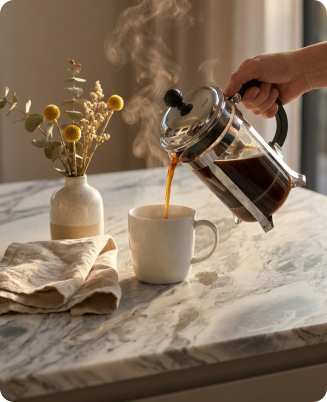
Oil, coffee, wine and strongly coloured foods can potentially stain marble. A suitable penetrating sealer can help reduce absorption, but sealing does not make marble completely stain-proof.
The best approach is to wipe spills promptly.
Marble is softer than materials such as granite and many quartzites. Knives, ceramic dishes and abrasive particles can scratch the surface.
Using chopping boards and avoiding abrasive cleaners will help protect the finish.
Marble is not necessarily difficult to maintain, but it does require more care than some alternatives.
Recommended practices include:
Sealing frequency depends on the particular stone, finish, sealer and amount of use, so there is no single rule such as sealing once every year that applies to every marble benchtop.
They can do both, but staining and etching are different.
Staining occurs when a substance penetrates the stone and changes its colour.
Etching occurs when acidic substances react with the calcium minerals in marble and alter the surface finish.
This distinction is important because sealing may help reduce staining, but it does not prevent acidic etching.
The price of a marble benchtop can vary significantly depending on the marble selected and the complexity of the project.
Factors affecting the final price include:
For a broader breakdown, read our stone benchtop cost guide for Australia.
Choosing between marble, quartzite and granite depends on how you use your kitchen, the look you want and how much maintenance you are comfortable with.
| Material | Appearance | Scratch Resistance | Acid Resistance | Maintenance |
|---|---|---|---|---|
| Marble | Distinctive veining and premium appearance | Moderate | Lower | Moderate |
| Quartzite | Natural movement, often marble-like | High | Generally higher | Moderate |
| Granite | Wide range of natural patterns | High | Generally higher | Low to moderate |
Marble is often chosen primarily for its appearance. Quartzite can be an excellent alternative for homeowners who want a marble-like natural stone with greater resistance to scratching. Granite is another durable natural stone suitable for hardworking kitchens.
You can compare these options in our guide to the best natural stone for kitchen benchtops in Australia.
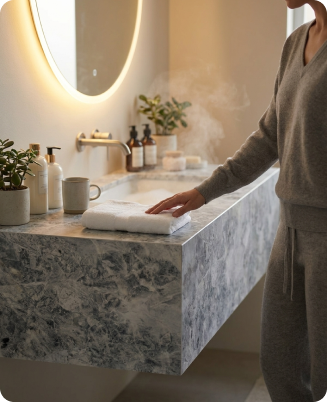
Daily care is relatively straightforward. Clean the surface with warm water, a soft cloth and a pH-neutral stone cleaner when needed.
Avoid abrasive pads and acidic household cleaners.
Wipe spills promptly, particularly:
Using chopping boards and trivets will also help preserve the finish.
Marble is a strong choice if you value natural variation, distinctive veining and a premium appearance.
It may not be the ideal material if you want a surface that requires almost no maintenance or if scratches and etching would bother you.
For many homeowners, however, the natural ageing of marble becomes part of its character.
If you are still comparing materials, explore our stone benchtops in Melbourne to see other natural stone options.
Yes. Marble can be used successfully in kitchens when it is properly selected, installed and maintained.
Marble can absorb liquids, particularly if spills are left on the surface. A suitable sealer and prompt cleaning can help reduce staining risk.
Yes. Marble is softer than granite and many quartzites, so chopping boards should be used and abrasive cleaning should be avoided.
Marble tolerates heat, but using a trivet is recommended to help protect both the stone and any sealers or finishes.
There is no universal schedule. It depends on the marble, surface finish, type of sealer and how heavily the benchtop is used.
Neither is universally better. Marble is often preferred for its distinctive appearance, while quartzite generally provides greater scratch and acid resistance.
The best option depends on appearance, availability, finish, use and maintenance expectations. Viewing the actual slab before fabrication is recommended because natural marble varies considerably.
If you are considering marble for your kitchen, explore our marble slabs in Melbourne and stone benchtop options to compare colours, veining and available slabs.
You can also contact StoneMart to discuss the right natural stone for your kitchen project.
Showcase
Explore stunning interiors and exteriors showcasing premium marble, granite, travertine, limestone, and porcelain in beautifully designed spaces